Introduction
Dysphagia, a problem identified by trouble swallowing, has considerable ramifications for individual safety and lifestyle. This write-up looks into the ins and outs of dysphagia care and the necessary duty that registered nurses play in managing this important problem. The Unlocking Expertise: A Comprehensive Dysphagia Training Course for Nurses goals to equip healthcare professionals with the knowledge and abilities required to provide optimum take care of patients struggling with dysphagia. With a focus on evidence-based methods, this training course addresses the complexities of dysphagia management, ensuring that nurses can with confidence support their patients.
Understanding Dysphagia: What Is It?
Defining Dysphagia
Dysphagia is not simply a clinical term; it represents a serious obstacle encountered by lots of patients across various healthcare settings. But what does it require? Basically, dysphagia describes difficulties in swallowing which can come from numerous underlying reasons consisting of neurological conditions, structural problems, or perhaps particular medications.
Types of Dysphagia
Oropharyngeal Dysphagia: This kind happens when there are issues in the mouth or throat area impacting swallowing. Esophageal Dysphagia: Here, problems occur within the esophagus itself, usually due to obstructions or mobility disorders.Symptoms and Dangers Related to Dysphagia
Patients might display various signs and symptoms such as coughing during dishes, choking sensations, or regurgitation. The dangers connected with untreated dysphagia are serious and consist of lack of nutrition, dehydration, and ambition pneumonia.
The Value of Dysphagia Training for Carers
Why Carers Need Specialized Training
Training in dysphagia is not simply helpful-- it's crucial. For carers functioning alongside patients with this problem, having actually specialized expertise can significantly improve person outcomes.
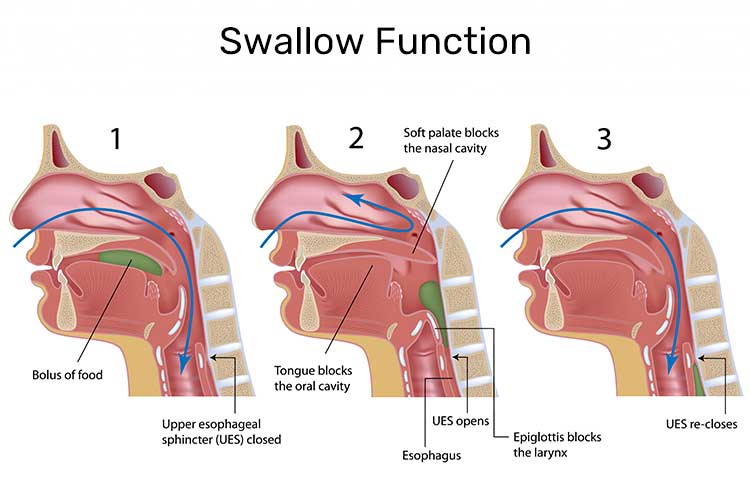
Key Elements of Efficient Dysphagia Training for Treatment Staff
- Understanding anatomy and physiology pertaining to swallowing. Learning about usual reasons and symptoms. Practicing safe feeding techniques. Recognizing signs of aspiration.
Unlocking Competence: A Comprehensive Dysphagia Training Course for Nurses
Course Objectives
The key goal of this comprehensive training course is to make certain nurses are well-prepared to determine and handle dysphagic patients successfully.
Course Curriculum Overview
Introduction to Swallowing Mechanisms Patient Assessment Techniques Nutritional Considerations Safe Feeding Strategies Emergency Response ProtocolsDysphagia Treatment Training: Essential Skills for Health Care Professionals
Assessment Strategies in Dysphagia Management
Accurate assessments are crucial in determining dysphagic symptoms early on. Training makes sure that nurses can perform complete evaluations using standard methods.
Implementing Safe Feeding Strategies
Effective feeding strategies can substantially reduce the threat of issues related to dysphagia. This area will cover methods like appropriate positioning and food appearance modifications.
Dysphagia Support Resources Available to Nurses
Collaboration with Speech-Language Pathologists (SLPs)
Understanding when to refer patients to SLPs is vital in giving detailed look after those with swallowing difficulties.
Utilizing Area Resources for Recurring Support
Nurses are motivated to acquaint themselves with community resources that use recurring support for both themselves and their clients managing dysphagia.
The Duty of Innovation in Dysphagia Training Courses
Innovative Discovering Tools for Boosted Understanding
The application of modern technology such as simulation training help can boost finding out experiences significantly.

Online vs In-Person Training Options
Both layouts have their benefits; nonetheless, online courses might use even more versatility while in-person sessions supply hands-on experience.
Evaluating the Performance of Dysphagia Training Courses
Feedback Devices Post-Training
Gathering feedback from individuals assists improve program content consistently and guarantees significance in real-world applications.
Long-Term Benefits of Continuous Education on Dysphagia Management
Continued expert growth promotes self-confidence amongst nurses when resolving complicated instances entailing dysphagic patients.
FAQs Regarding Dysphagia Training Courses
1. What is included in a typical dysphagia training course?
A common training course normally covers assessment strategies, risk-free feeding practices, dietary factors to consider, and emergency situation reaction methods particularly tailored for nursing staff.
2. How long does a normal dysphagia training course take?
Period varies yet many programs cover anywhere from one day to a number of weeks depending upon deepness and focus areas covered.
3. Exist any requirements needed prior to enrolling?
Typically speaking, standard nursing credentials are called for; nonetheless, prior experience in geriatric or rehabilitative care can be beneficial.
4. Exactly how do I find respectable dysphagia training courses?
Research establishments recognized for their nursing programs or seek advice from professional nursing companies that concentrate on continuing education and learning chances related dysphagia care training to ingesting disorders.
5. What certifications do I get after completion?
Upon successful completion of a thorough program, individuals frequently receive a certification showing their proficiency in handling patients with dysphasia effectively.
6. Can I apply what I have actually learned right away after finishing the course?
Definitely! A lot of individuals find they can apply new methods right now throughout their daily practice which boosts person care right away following completion.

Conclusion
In conclusion, the landscape surrounding dysphasia monitoring is advancing rapidly as more health care experts recognize its value within person treatment structures. The Unlocking Know-how: A Comprehensive Dysphagia Training Course for Nurses attracts attention as a pivotal source targeted at fostering quality among taking care of staff managing this complicated issue. By furnishing nurses with advanced understanding and functional abilities via specialized training programs concentrated on efficient analysis methods and safe feeding techniques-- healthcare providers can significantly improve results for people dealing with dyslexia-related challenges.